Product Rendering
At Fine Form Visuals, we create versatile product visuals that adapt to your marketing needs, from clean cutouts to immersive lifestyle scenes. Each render type serves a different purpose, whether you’re showcasing design details, testing color options, or presenting a full collection in context.

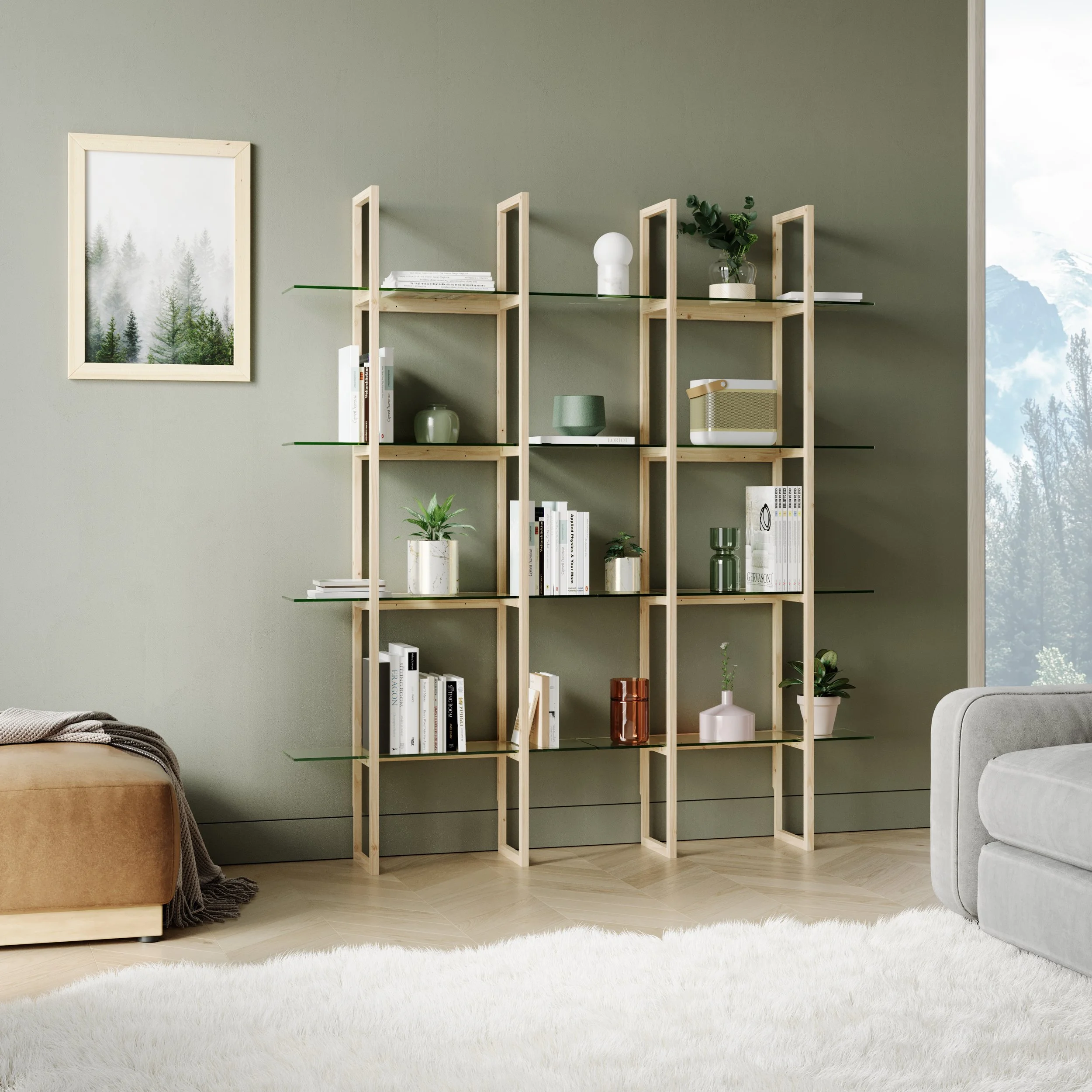
From Studio to Life-Style Scene
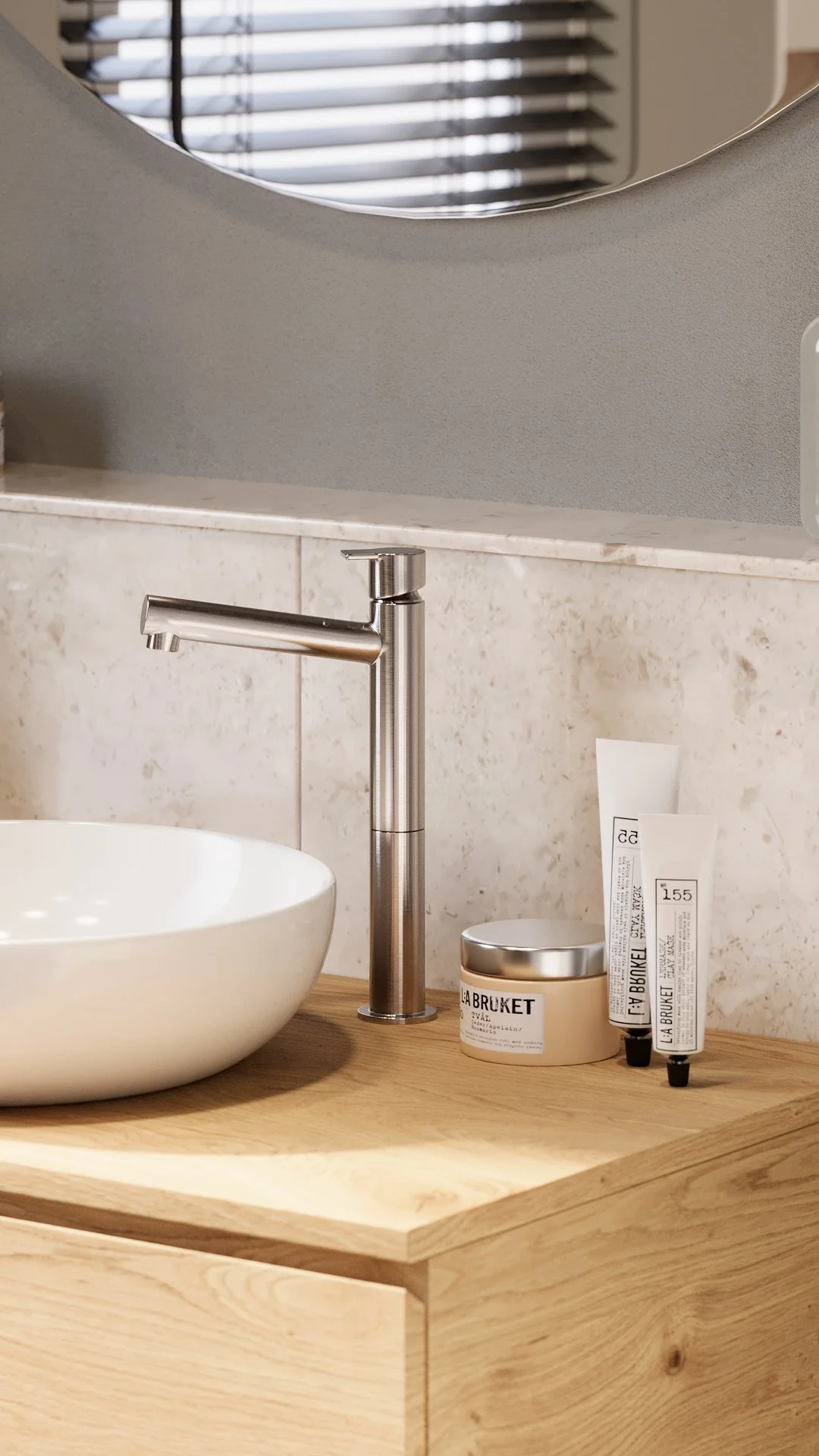
A clean product cutout is used as a foundation to create realistic lifestyle (in-situ) scenes.
This can help build marketing visuals that connect the product with real environments while keeping proportions accurate.
-
Studio renders are ideal for e-commerce and catalogs, while lifestyle renders help customers visualize how the product fits into real spaces — boosting confidence and driving purchasing decisions.
-
Absolutely. From Scandinavian minimalism to modern luxury or rustic tones, we style scenes to align with your brand and target audience.
-
You can, but it’s optional. We can build scenes based on your mood boards or propose styles according to your product and market.
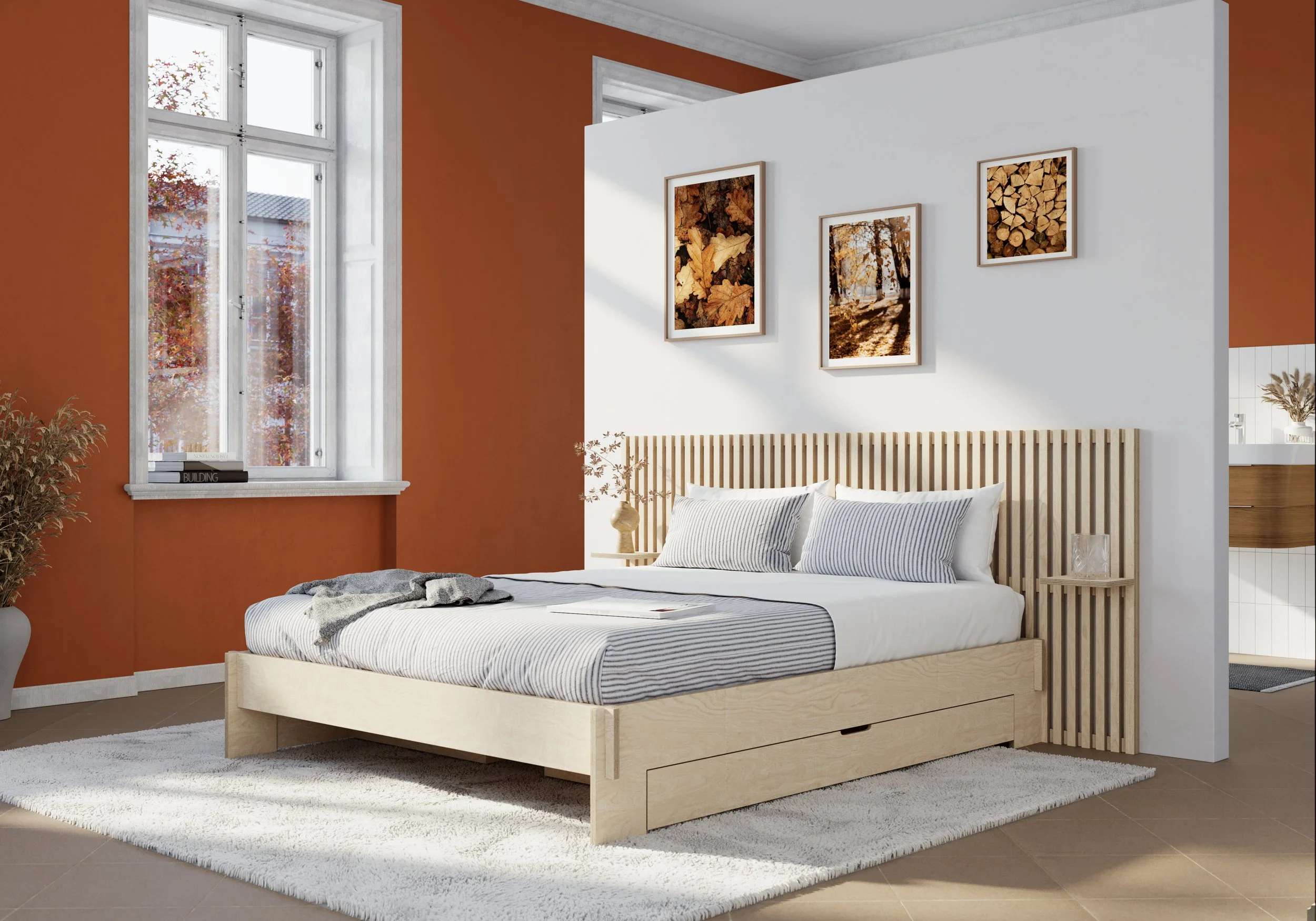
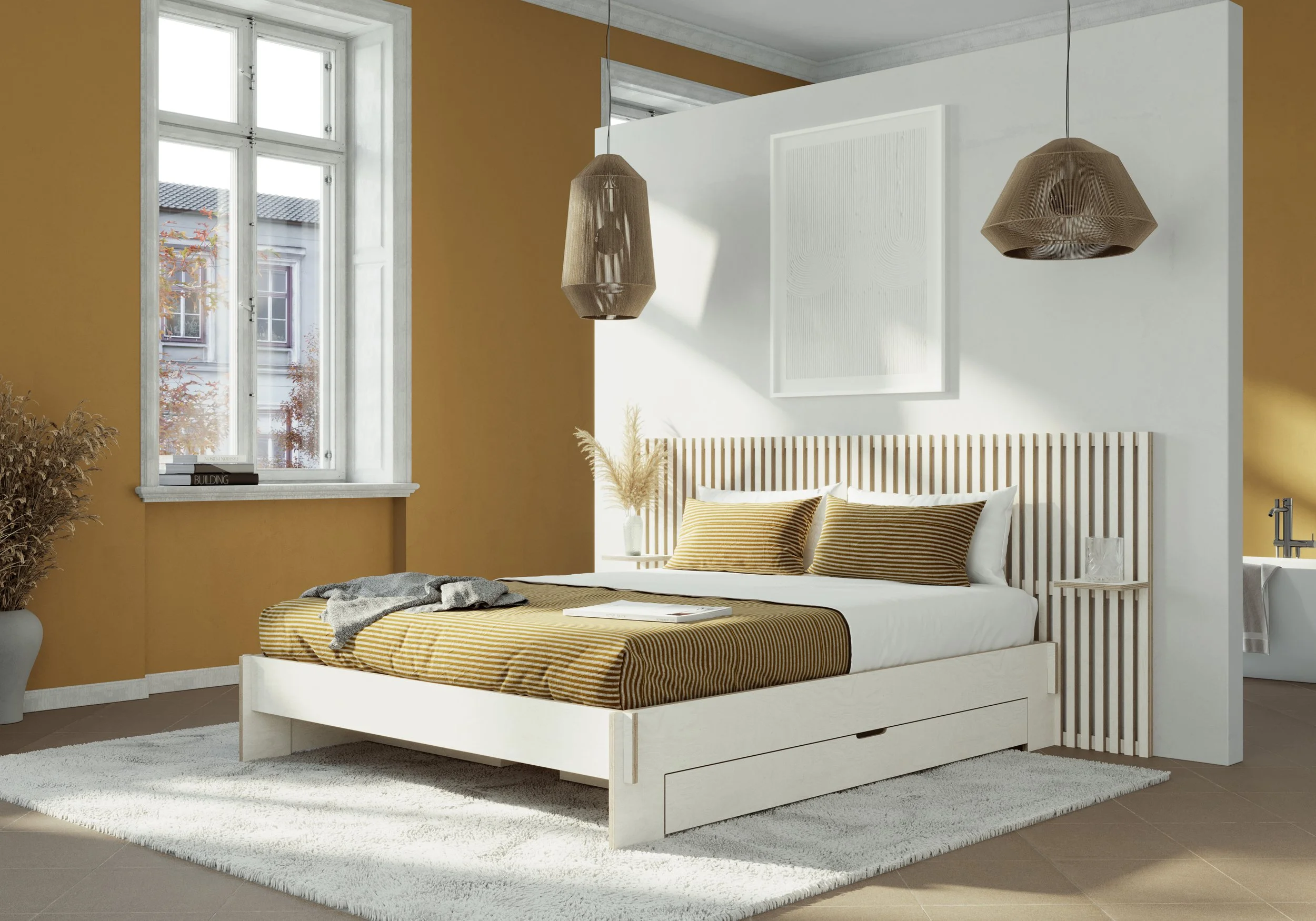
Material, Color & Prop Variations
In this scene, the product remains unchanged, we only adjust materials, colors, or supporting props.
Perfect for showing style variations or moods without redoing the entire scene.
-
As many as needed, typically 2 to 4 versions offer a strong visual range, but the workflow easily scales based on your marketing needs.
-
Yes, we can quickly adapt product finishes, wall colors, fabrics, and accessories to explore multiple looks before finalizing.
-
A material or color update usually takes a fraction of the time compared to a full render.
Since the 3D model, lighting, and camera setup remain the same, it typically takes about 20–30% of the time needed for a new render.
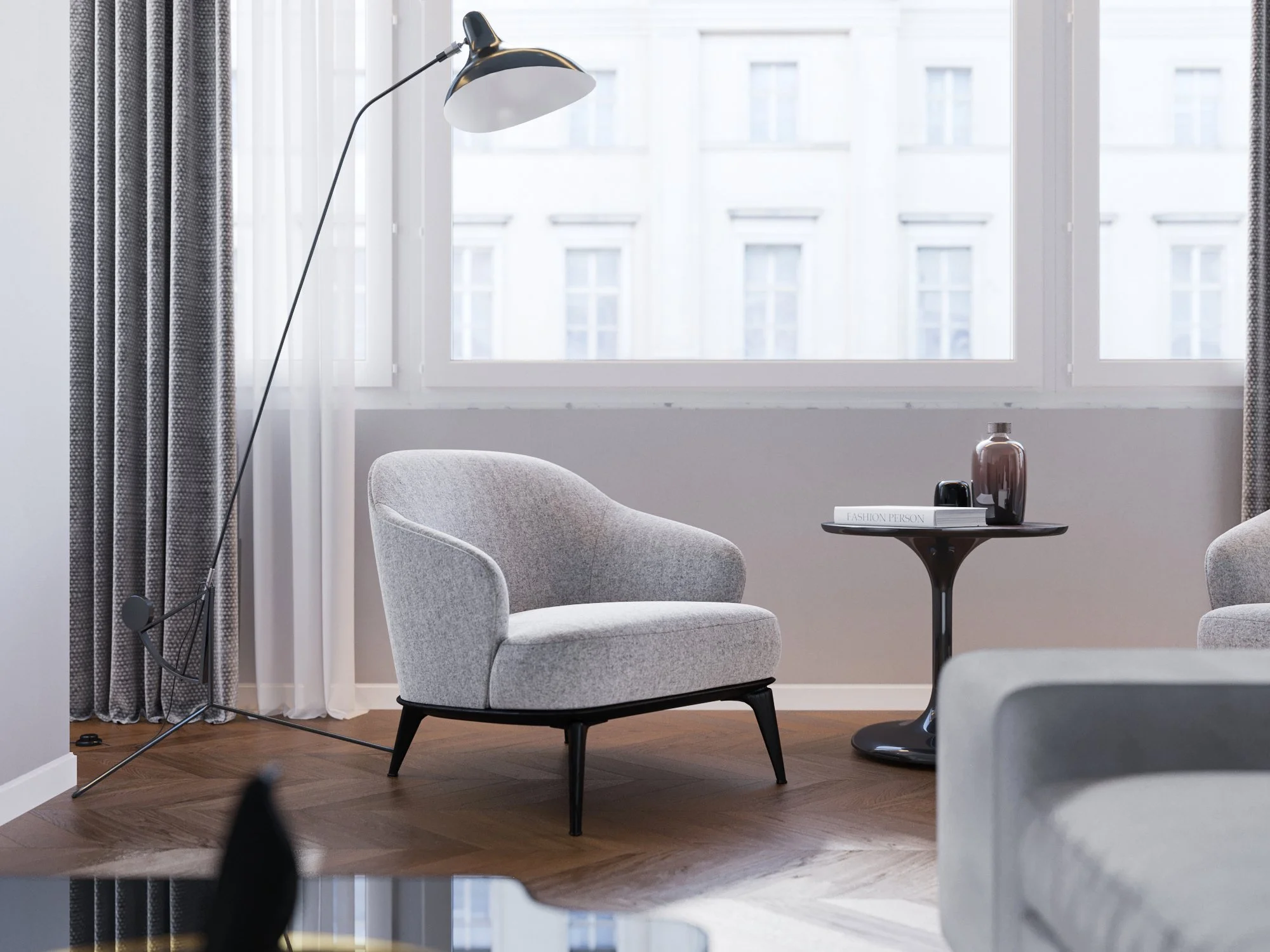
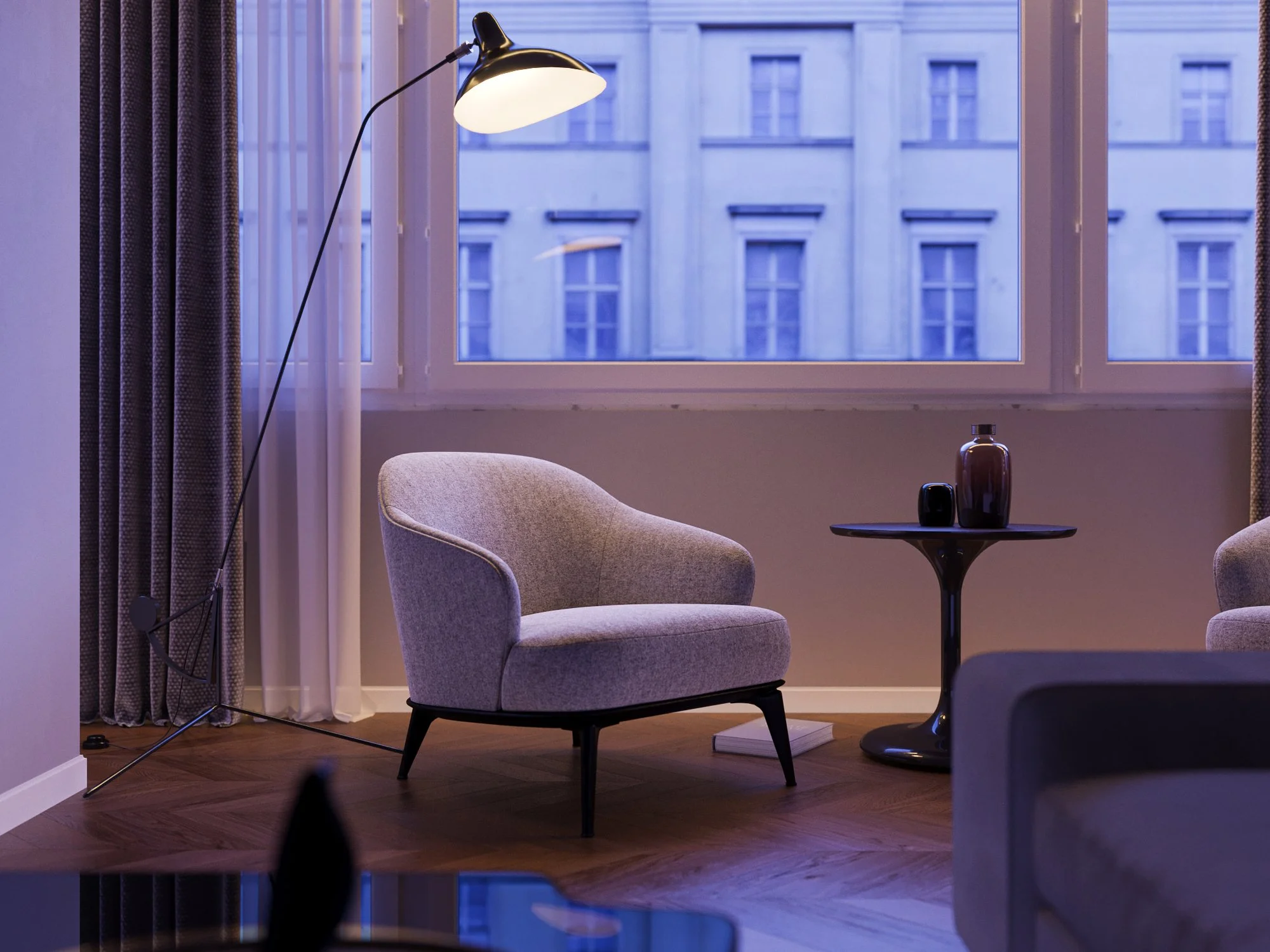
Mood & Lighting Exploration
From natural daylight to evening mood lighting, it allows brands and designers to understand how light impacts color, texture, and ambiance, all within the same composition.
-
Yes, we can replicate real-world lighting conditions or craft stylized moods to match your visual goals.
-
We keep the base material and color values consistent, so your product remains accurate to its real tone. The difference between day and night versions lies in the lighting temperature and shadows, which influence the atmosphere, not the product’s actual color.

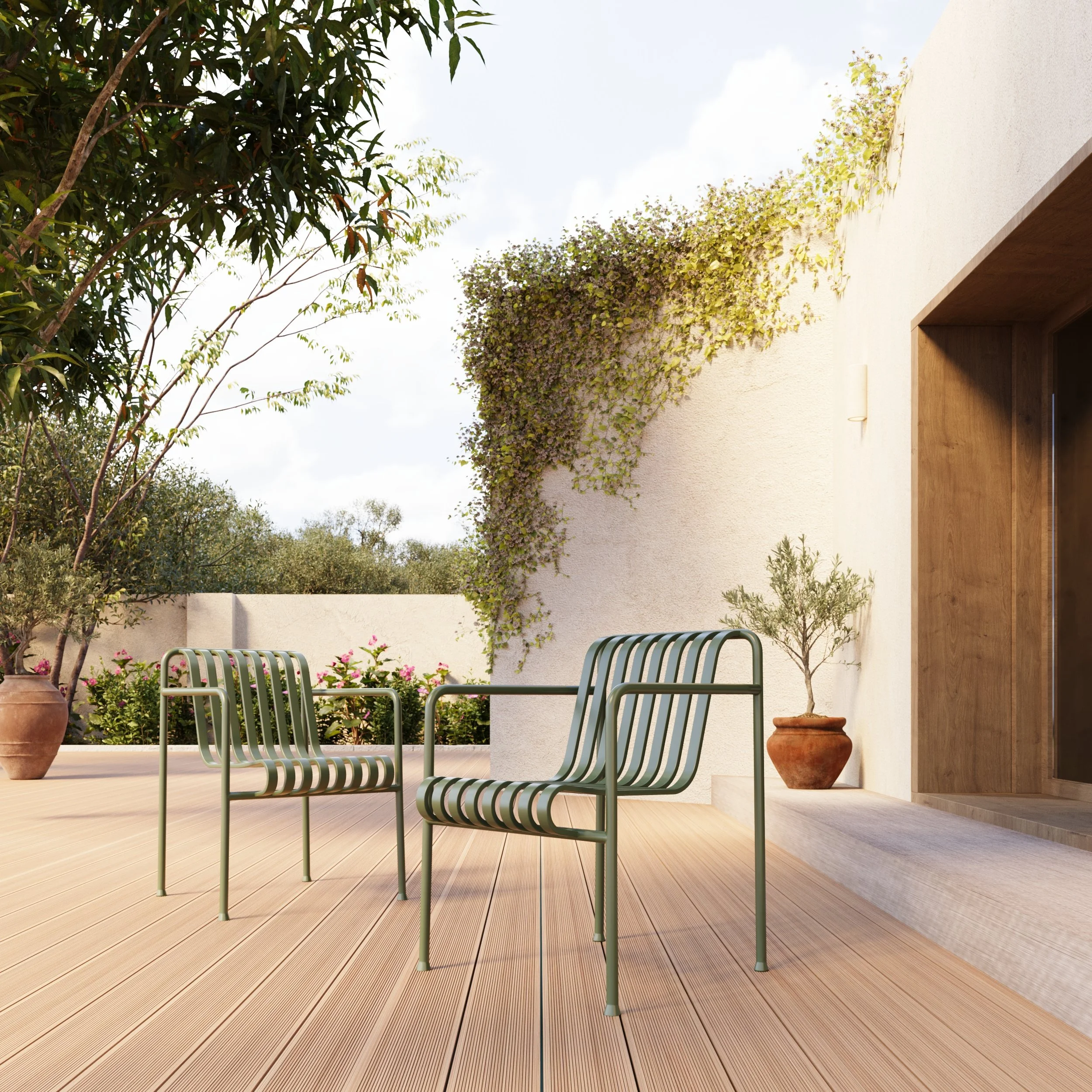
Product Variation Placement
Using the same environment, we switch out the product , great for showing full collections or comparing variations.
Its cost-effective and cohesive for catalog or website product pages.
-
Yes, we can easily replace furniture, materials, or props while keeping the same lighting and camera setup for perfect consistency.
-
Absolutely. Once the base environment is created, adding variations becomes significantly faster and more affordable.

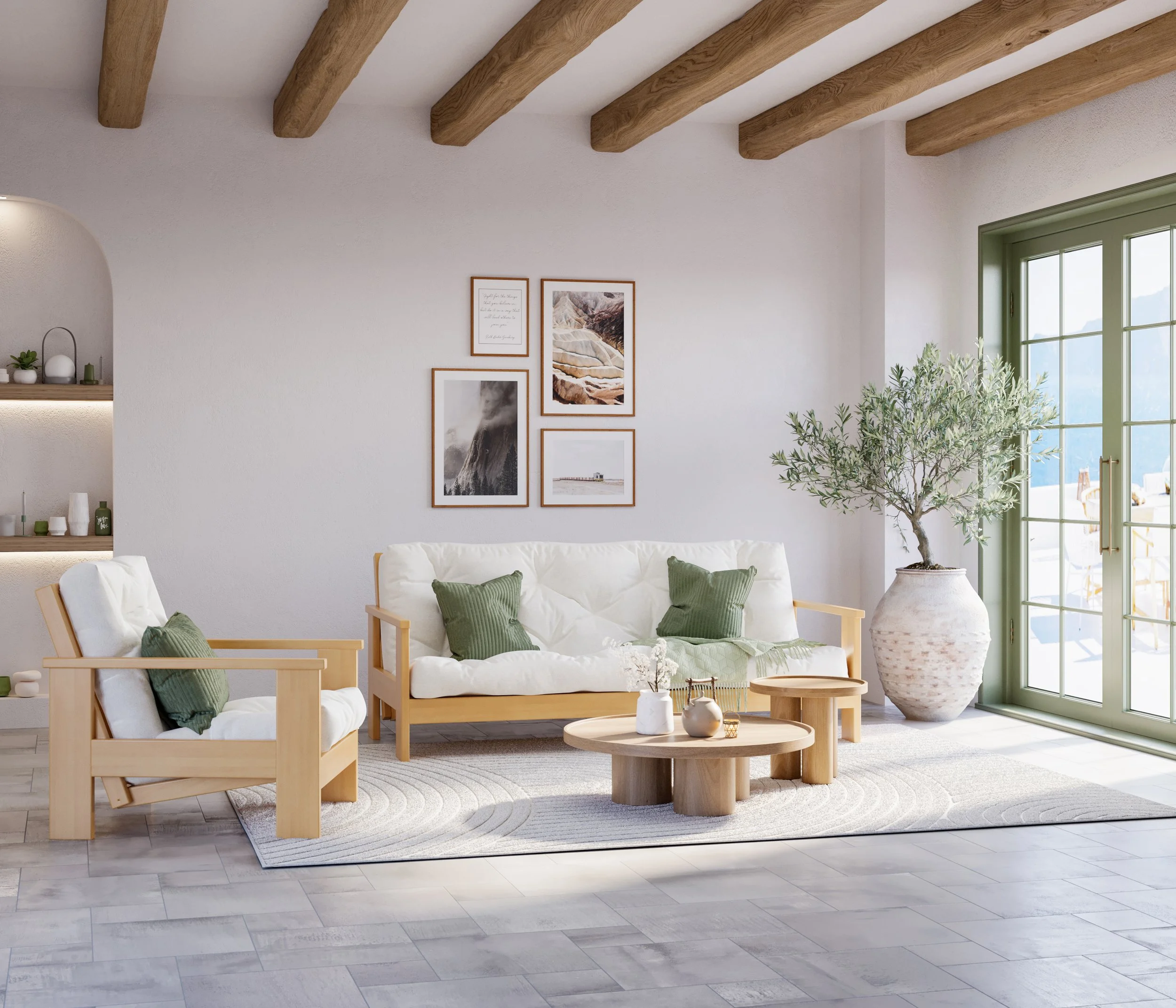
From Empty Space to Fully Furnished
A flexible base scene that can adapt to any product.
Useful for showcasing different items from multiple angles while maintaining design harmony.
-
Yes, we can match your mood boards, target demographic, and aesthetic to create a consistent look that fits your brand identity.
-
Definitely. We can use your 3D assets, create custom ones, or source matching models for realism and accuracy.
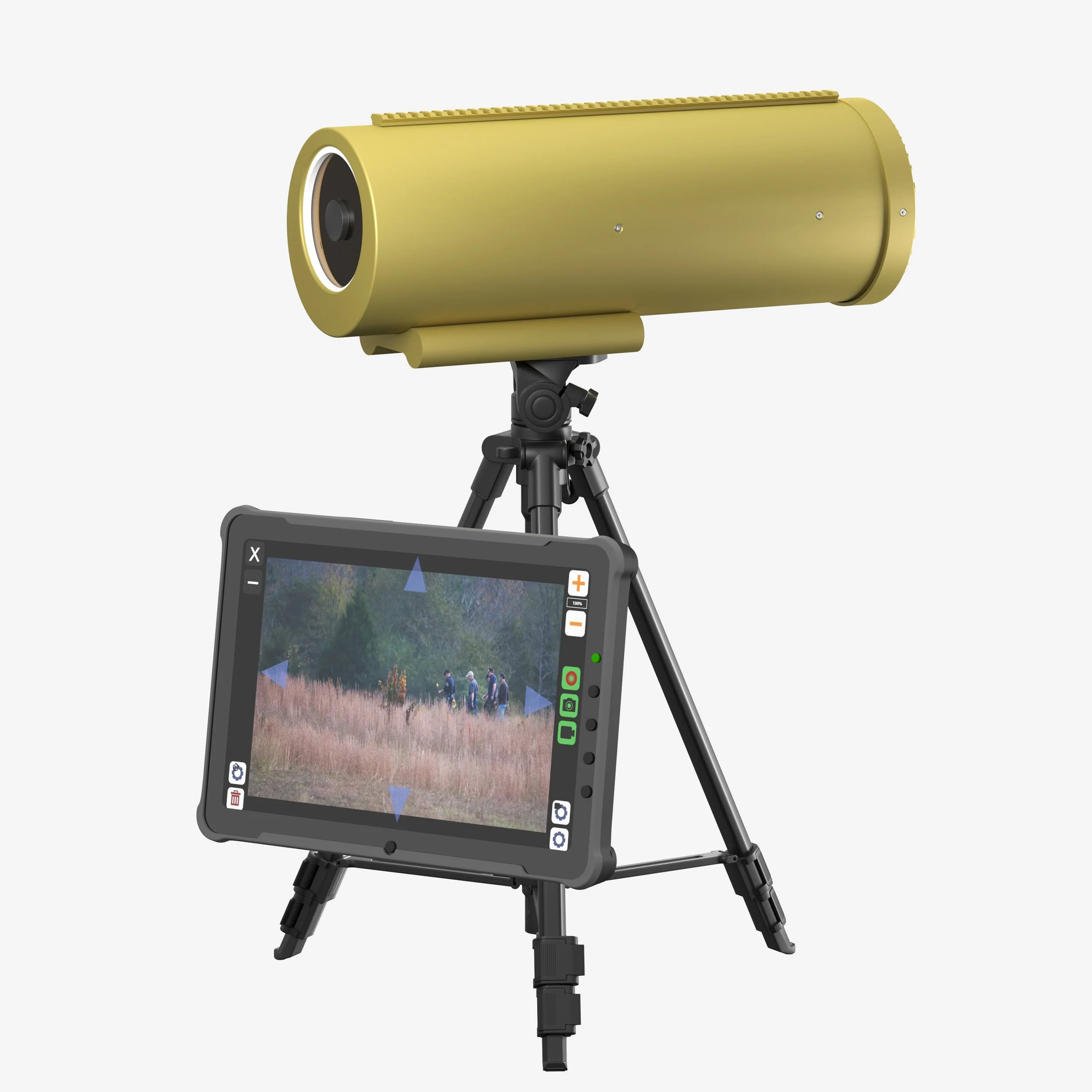
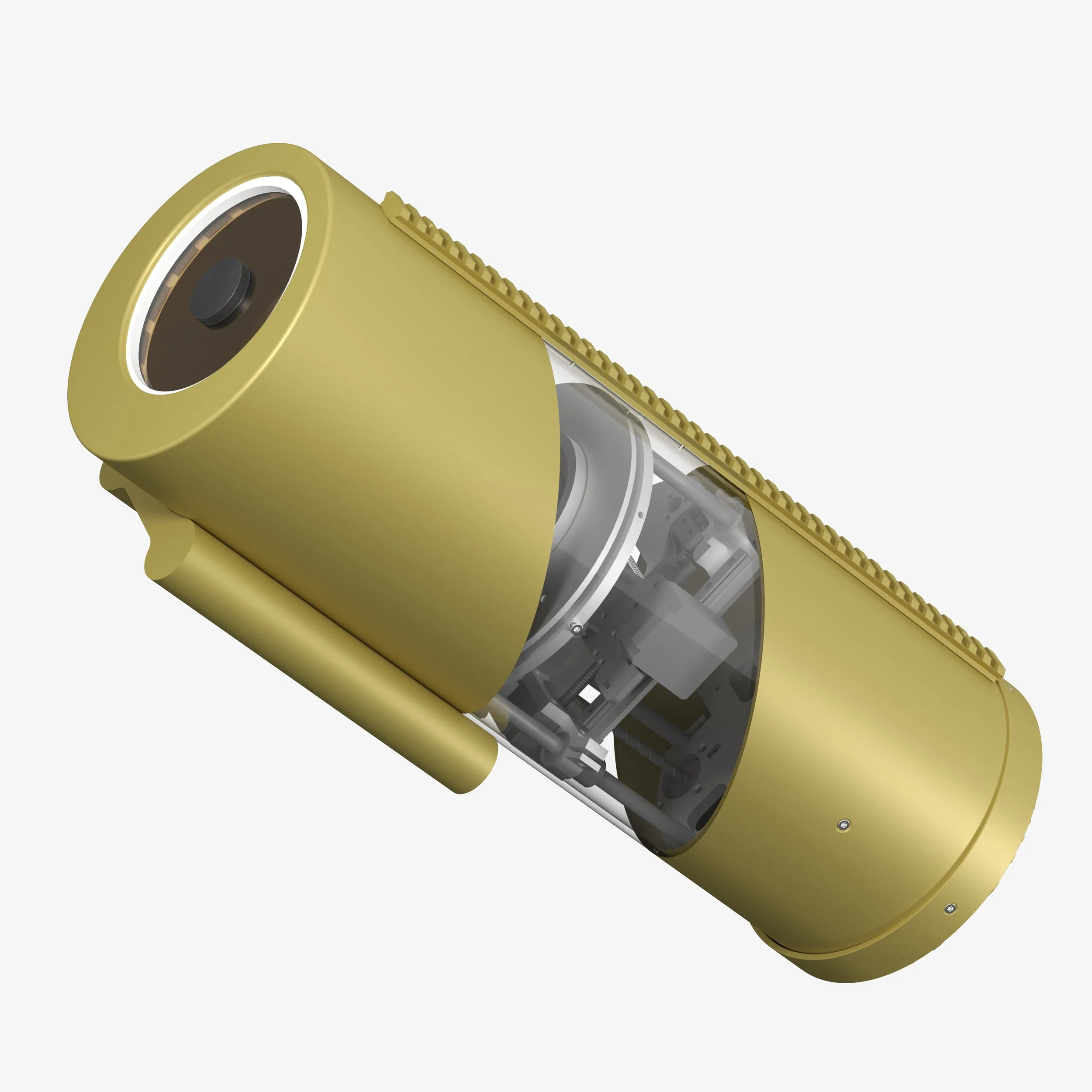
Internal Visualization
This method it’s designed to communicate innovation and engineering detail, offering an inside look without physically disassembling the object.
-
Yes, we can control the opacity, color tint, and lighting for each material to balance clarity and realism.
-
It’s most effective for electronics, machinery, optics, tools, and any product where internal mechanisms are a key selling point.
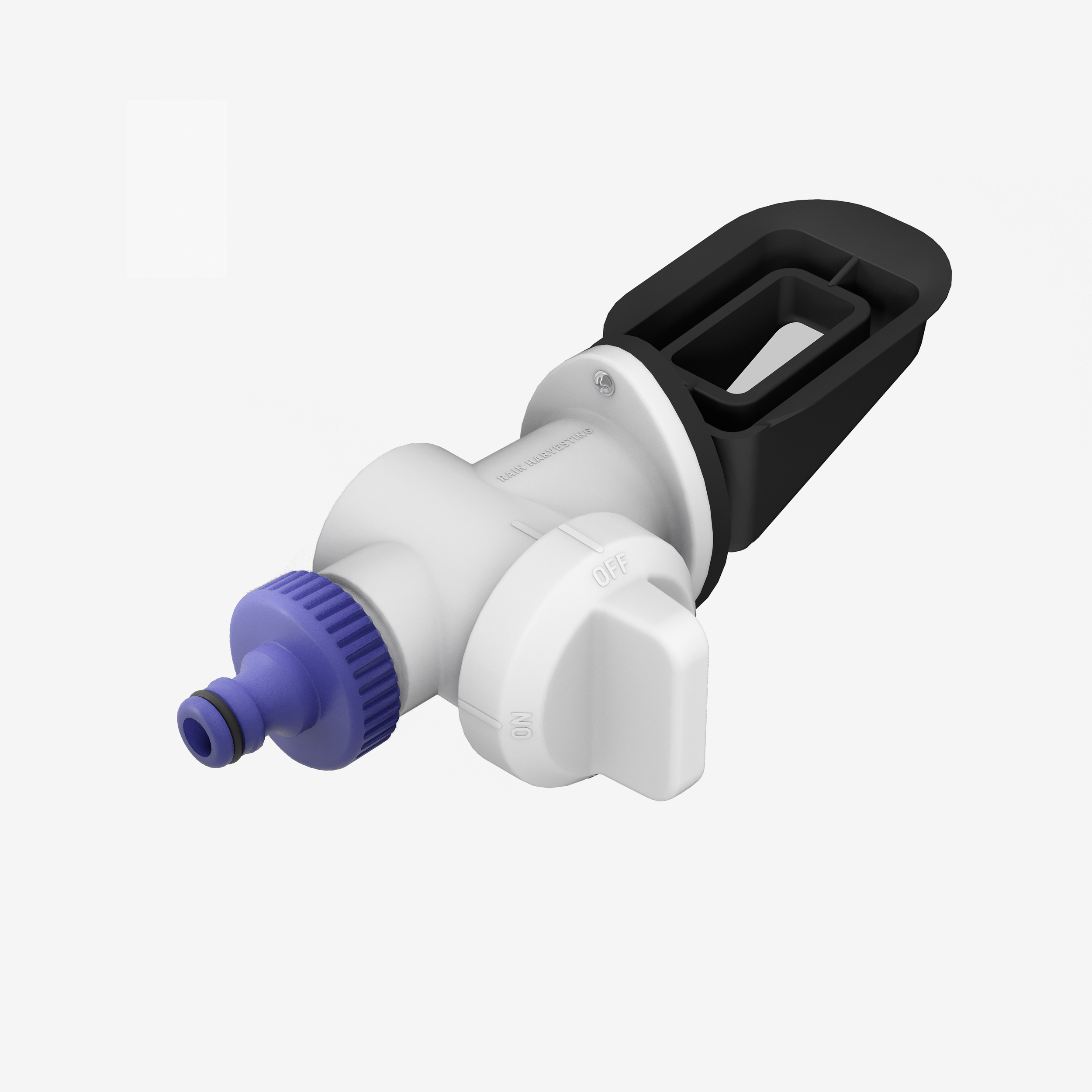
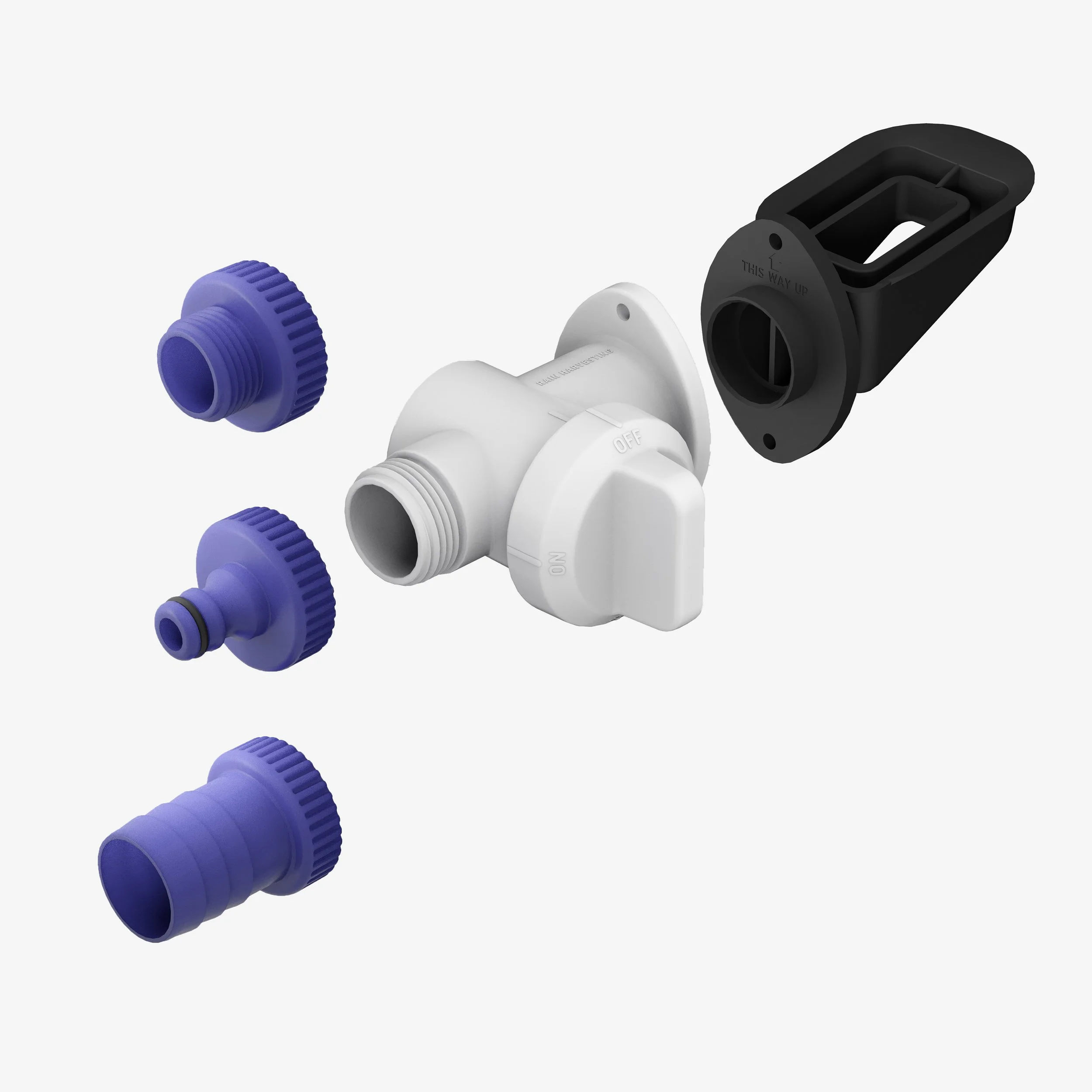
Product Assembly Visualization
This workflow highlights both the complete product and its individual components, giving clients a clear understanding of structure, functionality, and assembly.
Exploded views are ideal for showcasing engineering precision, demonstrating how parts fit together, and visually communicating product complexity, perfect for manuals, technical presentations, or marketing materials that value clarity and transparency.
-
Yes, we can customize which components are highlighted, spaced apart, or annotated to match your presentation or marketing needs.
-
Yes, absolutely.
We can label or highlight specific parts of the render using subtle overlays, numbering, or color accents depending on whether the image is meant for marketing or technical use.
Each project can combine multiple approaches — from simple color changes to detailed construction visuals.
Let’s discuss how to visualize your product idea with the right approach.
Main stages of the rendering process.
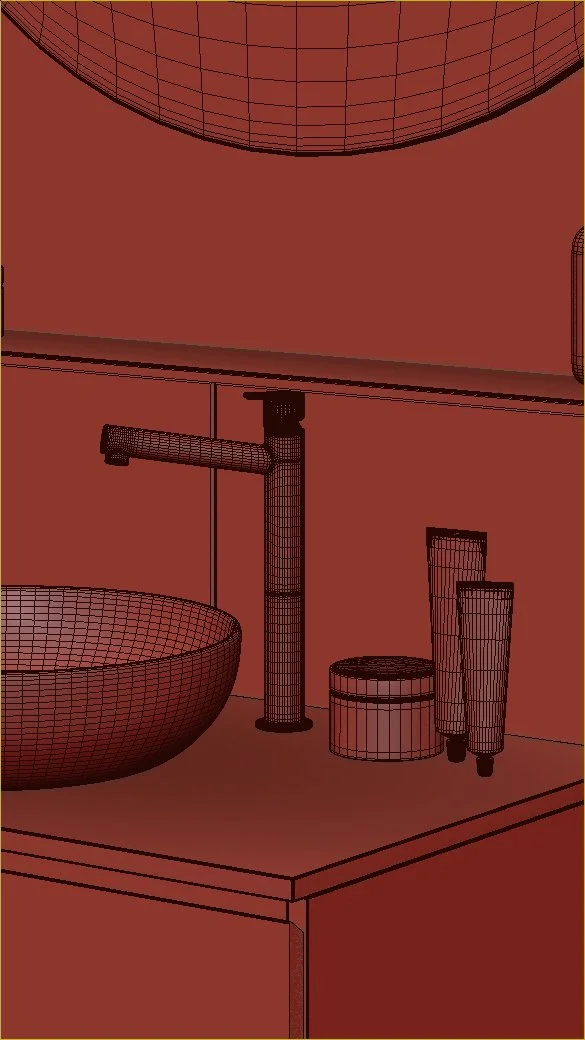

Raw Wireframe Model
Base Geometry and Initial Lightning
Fully Rendered Image